
Summer travel in Texas often means longer drives, increased highway use, and more frequent encounters with law enforcement. For individuals with outstanding warrants, these conditions can create unexpected legal exposure that interrupts travel plans and leads to serious consequences. The Greening Law Group in College Station, Texas regularly assists individuals who want clarity about how warrants may affect their ability to travel safely and avoid unnecessary detention. Understanding how warrants operate, how they are enforced during routine stops, and what steps can be taken in advance can help drivers reduce risk and make informed decisions before getting on the road.







Understanding Outstanding Warrants in Texas 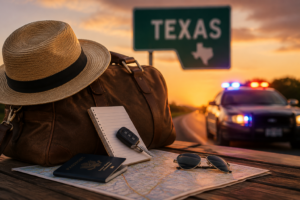
An outstanding warrant in Texas is a formal order issued by a court that authorizes law enforcement to detain or arrest an individual. These warrants typically arise when someone fails to appear in court, does not comply with a court order, or is connected to a pending criminal matter that has not been resolved. Once issued, a warrant does not disappear with time and remains active until it is addressed through the legal system.
The Greening Law Group in College Station, Texas frequently meets individuals who are unaware that a warrant has been issued until a routine interaction with law enforcement reveals the issue. In many cases, people assume that older cases or missed court dates have been resolved, only to discover that the warrant remains active in statewide systems. This creates confusion and stress, especially when individuals are preparing for travel or everyday commuting.
Warrants in Texas are entered into statewide databases, meaning they are accessible to law enforcement across counties. This system ensures that a warrant issued in one jurisdiction can be enforced anywhere in the state. Because of this structure, individuals traveling during summer months can encounter unexpected enforcement even far from the location where the original issue occurred.
Why Summer Travel Increases Legal Exposure
Summer travel often leads to increased driving across Texas highways, more vacation-related trips, and a higher volume of traffic on major roads. Law enforcement presence also tends to increase during this period, particularly on highways and near popular travel routes. These conditions can create more opportunities for traffic stops, which can then lead to warrant checks.
For individuals with outstanding warrants, even a minor traffic violation can escalate into a more serious situation. Something as simple as speeding, a broken tail light, or failure to signal can result in a traffic stop. During that stop, officers typically run identification through state databases. If a warrant appears, the situation can change immediately from a routine stop to an arrest scenario.
Travel plans during summer are often time sensitive, which means delays caused by legal issues can have a significant impact. Missed reservations, interrupted vacations, and unexpected detention are all possible outcomes when unresolved warrants are present.
When you hire our team, you’re not just getting experience. You’re getting people who care. We work hard on every case because we know it matters to you. And we’ll treat your case like it’s the only one that matters. That’s how we’ve stood out from the rest.
A Legal Team You Can Count On
How Traffic Stops Can Escalate Quickly
Most drivers expect traffic stops to result in warnings or citations, but the presence of an outstanding warrant changes the process significantly. Once law enforcement confirms an active warrant, officers are generally required to take action, which often means arrest and detention. This applies even when the original matter is minor or years old.
In Texas, law enforcement officers rely on centralized databases that provide real-time access to warrant information. This means that the discovery of a warrant is not dependent on the location or timing of the stop. Whether a driver is in College Station, traveling through Houston, or passing through rural highways, the system functions the same way.
Many individuals are surprised to learn that warrants do not need to be recent or severe to be enforced. Even older warrants tied to missed court appearances can still result in arrest during a simple traffic interaction.
Travel Within Texas and Across State Lines
A common misconception is that leaving a county or traveling outside of Texas reduces the risk associated with outstanding warrants. In reality, warrants issued in Texas are enforceable statewide, and in many cases, they can be entered into interstate systems that extend enforcement beyond state borders.
Drivers traveling within Texas remain fully subject to warrant enforcement regardless of distance from the issuing court. Highway travel between cities such as College Station, Austin, Dallas, or San Antonio does not reduce the likelihood of detection. Law enforcement agencies across the state share information through coordinated systems designed to identify active warrants quickly.
For individuals planning travel outside of Texas, the risk may extend even further depending on the nature of the warrant and how it has been entered into national databases. This makes it important to understand legal status before making long-distance travel plans.
Highly Recommend Craig Greening. Craig is personable and cultivated, you will feel confident next to him! Worth every penny, he is a superlative attorney. Don't rush the process, getting the deal you want takes time! Mike D. I just want to say how amazing your firm is. You guys know exactly what you are doing and have helped me out tremendously. Thank you so much for everything you have done and continue to do. David B. Maddie was polite, professional and very helpful. The group was expedient in responding to requests and I feel I'm in good hands. Thanks guys! Gently E.
Practical Steps Before Summer Travel
Before beginning summer travel, individuals with any uncertainty about their legal status often take proactive steps to reduce risk. One of the most important actions is confirming whether any warrants exist. This can be done through court records, county databases, or with assistance from legal counsel who can verify the status of pending matters.
In many cases, individuals may also take steps to resolve outstanding issues before travel. This can include addressing missed court dates, paying fines, or working with an attorney to determine whether the warrant can be lifted or managed through court appearance without unexpected detention.
Another important step is understanding how law enforcement interactions may unfold during travel. Even short trips or quick stops can involve identification checks that reveal unresolved legal matters.
Legal Options for Addressing Warrants
When a warrant is active, several legal options may be available depending on the situation. Some individuals may be able to resolve the matter by appearing in court voluntarily, while others may require legal representation to negotiate terms or address underlying charges before any court appearance.
In certain situations, attorneys can assist in arranging court appearances in a way that avoids unnecessary detention. This can help reduce disruption and allow individuals to address legal matters in a more controlled environment.
The appropriate approach depends on the specific details of the case, including the reason for the warrant and the court’s requirements. Legal guidance can help clarify the best course of action before travel plans are affected.
For additional context on warrant types in Texas, this resource provides more detail:
https://www.craiggreeninglaw.com/blog/different-types-of-warrants-in-texas/
College Station Perspective and Local Enforcement
In College Station and surrounding Brazos County areas, law enforcement follows the same statewide warrant enforcement procedures. Drivers traveling locally or passing through the region are subject to the same database checks during traffic stops as those anywhere else in Texas.
The Greening Law Group regularly assists individuals in this area who are surprised to learn that local travel can quickly intersect with outstanding legal matters. Whether commuting to work, traveling for summer vacation, or moving between cities, warrant status remains an important factor in overall travel safety.
Understanding legal rights during police interactions is also important for drivers in this region:
https://www.craiggreeninglaw.com/blog/do-i-have-to-speak-to-the-cops-if-they-want-to-bring-me-in-for-questioning/
Outstanding warrants can create unexpected complications during summer travel, especially when drivers are unaware of their legal status. Routine stops, highway enforcement, and statewide database systems all increase the likelihood that unresolved matters will surface at inconvenient times. Taking steps to confirm and address warrants before traveling can reduce the risk of arrest and allow for more predictable travel experiences.
The Greening Law Group in College Station, Texas provides guidance for individuals who want clarity about warrants and how they may affect travel plans, daily driving, and legal obligations.
If there is any uncertainty about outstanding legal matters, addressing them before travel remains one of the most effective ways to avoid disruption and protect your ability to move freely.
This information is for educational purposes only and does not constitute legal advice. Consultation with an attorney is recommended for guidance specific to any individual situation.

|
|
|