
The Greening Law Group understands that Fourth of July celebrations in College Station and across Texas can lead to arrests for DWI, public intoxication, open container violations, disorderly conduct, underage alcohol offenses, fireworks violations, and drug possession. Holiday enforcement often increases around busy roads, apartment parties, bars, lake gatherings, and large public events, which means a single decision can become a criminal case very quickly. Texas law treats alcohol-related driving offenses seriously, and even a misdemeanor arrest can affect a driver’s license, school, employment, professional licensing, and record concerns. The most helpful first step after an arrest is to understand the charge, protect your rights, and get legal guidance before speaking in detail about what happened.






Why Fourth of July Arrests Happen So Often in Texas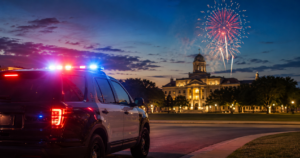
Independence Day is one of the busiest holiday periods for Texas law enforcement because celebrations often combine late-night driving, alcohol, crowded public spaces, fireworks, and large gatherings. In College Station, those risks can appear around house parties, apartment complexes, Northgate-area celebrations, family cookouts, rural county roads, and trips between Bryan, College Station, and nearby lake or park areas. Officers may be assigned to traffic enforcement, DWI patrols, noise complaints, fireworks calls, and crowd control. That does not mean everyone arrested is guilty, but it does mean police may be watching closely for signs of impairment, unsafe driving, fighting, or unlawful alcohol possession.
DWI Charges During Fourth of July Weekend
DWI is one of the most common Fourth of July arrests in Texas. Under Texas Penal Code Section 49.04, a person can be charged with DWI if they operate a motor vehicle in a public place while intoxicated. Intoxication can mean having an alcohol concentration of 0.08 or more, or not having the normal use of mental or physical faculties because of alcohol, drugs, a controlled substance, or a combination of substances. This matters because a person can face a DWI charge even when they think they were below 0.08, especially if an officer claims they saw poor driving, slurred speech, balance problems, or failed field sobriety tests. A first DWI is often filed as a Class B misdemeanor, but a blood alcohol concentration of 0.15 or higher can raise the charge to a Class A misdemeanor. A crash, a child passenger, a prior conviction, or an injury allegation can create more serious consequences.
The license side of the case also moves separately from the criminal case, which means a driver may have limited time to request a hearing after an arrest. People often assume a test result ends the conversation, but breath and blood evidence can involve collection, storage, calibration, lab, and interpretation issues. Anyone facing this situation can learn more about test issues through the firm’s discussion of DWI blood evidence at https://www.craiggreeninglaw.com/blog/are-dwi-blood-tests-reliable and related penalty concerns at https://www.craiggreeninglaw.com/blog/the-link-between-bac-and-dwi-penalties-what-you-need-to-know.

A Legal Team You Can Count On
When you hire our team, you’re not just getting experience. You’re getting people who care. We work hard on every case because we know it matters to you. And we’ll treat your case like it’s the only one that matters. That’s how we’ve stood out from the rest.
About UsPublic Intoxication
Public intoxication is another frequent Fourth of July charge because many celebrations take place outside the home. Texas Penal Code Section 49.02 focuses on whether a person appears in a public place while intoxicated to the degree that they may endanger themselves or another person. That can include sidewalks, parking lots, entertainment districts, parks, apartment common areas, and other places open to the public. The charge is usually a Class C misdemeanor, but it can still create stress, embarrassment, court costs, and record concerns. These cases often turn on officer observations rather than chemical testing, including claims about stumbling, loud behavior, confusion, arguing, stepping into traffic, or being unable to find a safe ride.
Open Container Violations
Fourth of July travel often involves coolers, tailgate-style gatherings, and passengers carrying drinks between locations. Texas open container law can create problems when an open alcoholic beverage container is found in the passenger area of a motor vehicle on a public highway, even if the vehicle is stopped or parked in certain circumstances. People often misunderstand the rule because they assume the driver must be drinking for a violation to occur. In reality, the presence and location of the container can matter. Open container allegations can also become part of a larger DWI investigation because an officer who sees a can, cup, bottle, or mixed drink in the vehicle may use that observation to ask more questions, request field sobriety testing, or search for more evidence. For a deeper look at this issue, see the firm’s explanation of Texas open container law at https://www.craiggreeninglaw.com/blog/understanding-texas-open-container-law/.
Minor in Possession and Other Underage Alcohol Offenses
College Station has a large student population, and holiday weekends can bring underage drinking allegations at parties, apartments, parking lots, and public celebrations. A minor in possession case does not always mean the young person was drunk. It can involve holding alcohol, carrying a cooler, standing near alcohol under certain circumstances, or being accused of having control over alcohol at a gathering. Police may also issue citations for minors in consumption, misrepresentation of age, or using a fake ID. The long-term concern is not limited to the fine. Underage alcohol cases can affect driving privileges, school discipline, scholarships, internships, and future employment applications. A defense lawyer can examine whether the state can prove possession or consumption, whether exceptions apply, whether the stop or questioning was lawful, and whether a dismissal, deferred disposition, or record-related remedy may be available. The firm has more information about this category at https://www.craiggreeninglaw.com/blog/alcohol-offenses-for-minors.

Highly Recommend Craig Greening. Craig is personable and cultivated, you will feel confident next to him! Worth every penny, he is a superlative attorney. Don't rush the process, getting the deal you want takes time!
Mike D.
I just want to say how amazing your firm is. You guys know exactly what you are doing and have helped me out tremendously. Thank you so much for everything you have done and continue to do.
David B.
Maddie was polite, professional and very helpful. The group was expedient in responding to requests and I feel I'm in good hands.
Thanks guys!
Gently E.
Disorderly Conduct and Fighting
Crowded celebrations can lead to arguments, shouting, pushing, and fights, especially when alcohol is involved. Texas disorderly conduct charges may arise from fighting in public, making unreasonable noise, using abusive language likely to provoke a breach of peace, displaying a firearm in a manner calculated to alarm, or other conduct covered by the statute. On the Fourth of July, these accusations may come from neighborhood complaints, bar district incidents, firework disputes, parking conflicts, or family gatherings that get out of control. A disorderly conduct case may sound minor, but the facts matter. Self-defense, unclear witness accounts, crowd noise, and limited officer observation can all affect how the state tries to prove what happened.
Fireworks Violations and Related Charges
Fireworks rules in Texas can depend on state law, county orders, city ordinances, burn bans, and the type of firework involved. That can be confusing for people celebrating in or near College Station because what may be allowed in one unincorporated area may be restricted inside city limits or during dry conditions. Police, fire marshals, and other officials may respond to complaints involving unsafe use, illegal fireworks, injuries, property damage, or fireworks used near crowds, vehicles, buildings, or dry grass. Fireworks allegations may begin as a citation, but related conduct can create more serious accusations when someone is hurt, property is damaged, or emergency responders are involved.
Drug Possession During Holiday Stops
Fourth of July arrests in Texas are not limited to alcohol. Traffic stops, party calls, and searches can lead to marijuana, THC concentrate, controlled substance, or prescription drug allegations. A driver stopped after a fireworks show may be questioned about odor, a passenger may be accused of possessing a vape pen or edible, or police may search a bag after responding to a noise complaint. In Texas, THC concentrates can carry much more serious consequences than many people expect. For more background on Texas drug classifications, review the firm’s guide to penalty groups at https://www.craiggreeninglaw.com/blog/your-guide-to-penalty-groups-for-drug-charges-in-texas.
Warrants and Missed Court Dates After a Holiday Arrest
A Fourth of July arrest can create deadlines that are easy to miss. A person may be released on bond, return to work, go back to school, or leave town after visiting College Station, then overlook a court notice or license hearing deadline. Missing court can lead to a warrant, added bond conditions, new fees, or a more difficult path toward resolving the original charge. This is especially common for people who were arrested while visiting family, attending events, or spending the weekend with friends. If a warrant issue appears, ignoring it usually makes the situation worse. The firm explains warrant categories in Texas at https://www.craiggreeninglaw.com/blog/different-types-of-warrants-in-texas/.
What To Do After a Fourth of July Arrest
After an arrest, it is natural to feel anxious, embarrassed, or unsure about what comes next. Still, the choices made in the first few days can shape the case. Avoid arguing about the facts online, texting detailed explanations to multiple people, or contacting witnesses in a way that could be misunderstood. Save paperwork, bond documents, tow receipts, court notices, license paperwork, and any photos or videos from the night. Write down what you remember while it is fresh, including where you were, what officers said, whether tests were requested, who was present, and whether cameras may have recorded the event. A defense lawyer can review the state’s evidence, identify legal issues, explain court settings, protect deadlines, and discuss possible outcomes without promising a result.
Speak With a College Station Defense Attorney
If you were arrested during the Fourth of July holiday in College Station or elsewhere in Texas, you do not have to sort through the process alone. The Greening Law Group helps clients understand the charge, protect their rights, and prepare a defense strategy based on the facts. A brief conversation with a defense attorney can help you understand deadlines, court expectations, and the risks tied to your specific situation.
Disclaimer
This information is for informational purposes only and is not legal advice. Consult an attorney about your specific situation.
Related Reading
- The Legality of Fireworks in Texas
- Charged After an Incident at a Private Party in Texas: What Your Legal Options Look Like
- Can You Be Arrested for Public Intoxication at a Texas Summer Event?

|
|
|