
A Summer Trip Can Change Quickly After a Texas Arrest 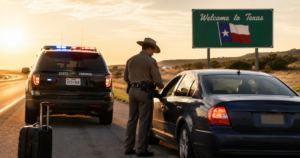
Summer travel through Texas often means long drives, hotel stays, family visits, lake weekends, music events, sports tournaments, and stops near college towns like College Station. Many people arrested during a trip have never been in trouble before. They may be passing through Brazos County, visiting Texas A&M, driving on Highway 6, or heading toward Austin, Houston, Dallas, or the Gulf Coast.
An arrest during vacation can feel especially overwhelming because you are away from home. You may not know the courthouse, the jail, the local procedures, or the prosecutors involved. You may also be worried about missing work, getting home, keeping your driver’s license, or explaining the situation to family.
The key point is simple: a Texas arrest creates a Texas case. Even if you live elsewhere, the court still has authority over the charge. Ignoring the case can lead to missed court dates, bond problems, warrants, license issues, and harsher consequences.







Common Reasons Travelers Get Arrested in Texas
Visitors can be arrested for the same criminal charges as Texas residents. During summer travel, certain cases tend to appear more often because people are driving longer distances, attending social events, or traveling with items in their vehicles. Common travel-related arrests may involve:- DWI after a traffic stop, crash, checkpoint-style investigation, or field sobriety testing
- Drug possession involving marijuana, THC products, controlled substances, or prescription medication issues
- Open container allegations during road trips
- Public intoxication or disorderly conduct near bars, hotels, restaurants, or events
- Assault or family violence after a dispute during travel
- Theft or shoplifting at stores, gas stations, or event venues
- Failure to appear or outstanding warrants discovered during a traffic stop
- Unlawful carrying of weapons or firearm-related allegations
- Minors in possession of alcohol or alcohol-related offenses involving students or young adults
What Happens Immediately After an Arrest?
After an arrest in Texas, the process usually begins with booking. This can include fingerprints, photographs, personal information, property inventory, and a review of the alleged offense. Depending on the charge and county procedures, release may happen through a bond, personal recognizance bond, magistrate review, or other conditions. Travelers should pay close attention to paperwork received at release. That paperwork may include:- A court date
- Bond conditions
- No-contact orders
- Driver’s license warnings in DWI cases
- Information about property or vehicle release
- Instructions for future appearances
- A court location or case number
Will You Have to Come Back to Texas?
In many cases, yes. Some hearings may require your personal appearance. Other matters may be handled by your attorney, depending on the charge, court, judge, bond conditions, and stage of the case. This is one reason hiring a local Texas defense lawyer matters. A lawyer familiar with the College Station and Brazos County court system can help determine whether you must appear, whether an appearance can be waived, and what must be filed before the next deadline. For misdemeanor charges, there may be more flexibility than for certain felony cases, but each case depends on the facts. If you are facing a lower-level criminal charge, the College Station misdemeanor defense page at https://www.craiggreeninglaw.com/college-station-misdemeanor-lawyer/ can give useful context about how misdemeanor cases may proceed.
A Legal Team You Can Count On
When you hire our team, you’re not just getting experience. You’re getting people who care. We work hard on every case because we know it matters to you. And we’ll treat your case like it’s the only one that matters. That’s how we’ve stood out from the rest.
About UsWhat If You Live in Another State?
Out-of-state residents often worry that being arrested in Texas will trap them in the state. In many cases, once you post bond and satisfy release conditions, you may return home. Yet the case remains active. Living outside Texas can affect practical issues, including:- How you receive court notices
- Whether you can travel while on bond
- How often you must appear in person
- Whether you must report to pretrial services
- How a Texas license suspension could affect your home-state license
- How a conviction may appear on background checks
- Whether probation, classes, or community service can be completed elsewhere
DWI Arrests During Texas Summer Travel
DWI is one of the most common arrests involving vacation travel. A driver may be stopped for speeding, weaving, failing to signal, leaving a restaurant, or driving after a summer event. Law enforcement may then look for signs of impairment, ask questions, request field sobriety tests, or seek a breath or blood test. A Texas DWI case can involve two tracks:- The criminal case, which addresses the charge, possible penalties, and court process
- The driver’s license issue, which may involve deadlines and administrative procedures

Highly Recommend Craig Greening. Craig is personable and cultivated, you will feel confident next to him! Worth every penny, he is a superlative attorney. Don't rush the process, getting the deal you want takes time!
Mike D.
I just want to say how amazing your firm is. You guys know exactly what you are doing and have helped me out tremendously. Thank you so much for everything you have done and continue to do.
David B.
Maddie was polite, professional and very helpful. The group was expedient in responding to requests and I feel I'm in good hands.
Thanks guys!
Gently E.
Drug Charges While Driving Through Texas
Many vacation arrests begin with a traffic stop. An officer may claim to smell marijuana, see paraphernalia, receive consent to search, or develop probable cause for a vehicle search. Travelers may be surprised to learn that products they believed were legal elsewhere may create serious problems in Texas. Drug cases may involve:- Marijuana
- THC vape cartridges
- Edibles or concentrates
- Prescription medication without a valid prescription
- Cocaine, methamphetamine, or other controlled substances
- Allegations of possession with intent based on quantity, packaging, cash, or messages
Can You Be Arrested for Something a Passenger Had?
Yes, it can happen. Police may arrest more than one person if they believe several occupants had control over contraband, weapons, alcohol, or other evidence. That does not mean the prosecutor can prove every allegation beyond a reasonable doubt. In vehicle cases, the defense may focus on possession, access, ownership, location of the item, statements made during the stop, body camera footage, and whether officers connected the item to one specific person. A passenger’s conduct, a rental car agreement, or the location of luggage may become relevant. This is why travelers should avoid trying to explain everything during a stressful roadside investigation. You have the right to remain silent. You should provide identifying information when required, but you do not have to guess, argue, or make statements that may be used against you.What About Bond Conditions During Vacation?
Bond is not just payment for release. It can come with rules. Depending on the case, bond conditions may require you to:- Avoid alcohol or drugs
- Submit to testing
- Install an ignition interlock device
- Avoid contact with a certain person
- Stay away from a location
- Report to pretrial services
- Notify the court before travel
- Attend all court dates
How an Attorney Can Help After a Travel Arrest
A defense attorney can help turn a confusing process into a clear plan. The Greening Law Group works with people facing criminal charges and DWI allegations in College Station and surrounding Texas courts. The goal is to protect the client’s rights while addressing the practical problems that come with being arrested away from home. A lawyer may help by:- Reviewing the arrest report, videos, testing records, and witness statements
- Identifying court dates and deadlines
- Communicating with the court and prosecutor
- Evaluating whether your appearance may be waived for certain settings
- Challenging unlawful stops, searches, or seizures
- Negotiating for reduced charges, dismissals, diversion, or other available outcomes when supported by the facts
- Preparing the case for trial when a fair resolution is not available
- Helping you understand record consequences, license issues, and future background checks
Do Not Ignore a Texas Case After You Get Home
Once you are back home, the arrest may feel far away. That distance can create risk. Courts do not pause a case because you live out of state. Prosecutors do not drop a case because the arrest happened during vacation. Waiting can limit defense options. After release, take these steps as soon as possible:- Save every document from the jail, court, bonding company, and law enforcement agency.
- Write down what happened while your memory is fresh.
- Preserve receipts, hotel records, ride-share records, photos, messages, and travel details.
- Do not post about the arrest online.
- Do not contact alleged victims or witnesses if bond conditions prohibit contact.
- Speak with a Texas defense attorney before your first court setting.
What Outcomes Are Possible?
No attorney can promise a result. The outcome depends on the charge, evidence, criminal history, court, prosecutor, legal issues, and defense strategy. Some cases may be dismissed if evidence is weak or unlawfully obtained. Some may be resolved through reduction, deferred adjudication, diversion, plea negotiation, or trial. Some cases may require a more aggressive challenge because the accusation threatens a license, career, immigration status, education, or security clearance. For travelers, a key goal is often to reduce disruption. That may mean limiting required trips to Texas when possible, preventing a warrant, protecting driving privileges, and seeking an outcome that avoids unnecessary long-term harm.Speak With a College Station Defense Attorney After a Texas Travel Arrest
A summer vacation arrest can feel embarrassing, confusing, and unfair. It does not have to define the rest of your life. The right response begins with understanding the charge, meeting deadlines, and building a defense based on the facts. If you were arrested while traveling through Texas, The Greening Law Group can help you understand what happens next and what options may be available. Contact the firm to discuss your case, your court date, and the steps needed to protect your rights. This article is for informational purposes only and is not legal advice. Consult an attorney about your specific situation.
|
|
|