
In College Station, Texas, March is a time when local law enforcement sees an uptick in activity. While the weather warms and the streets begin to bustle with students getting ready for spring break, it’s also the time when officers shift into heightened vigilance. The Greening Law Group, a local firm committed to protecting the rights of those facing criminal charges, sees this pattern annually: an increase in arrests related to student behavior before spring break.
When you hire our team, you’re not just getting experience. You’re getting people who care. We work hard on every case because we know it matters to you. And we’ll treat your case like it’s the only one that matters. That’s how we’ve stood out from the rest.
A Legal Team You Can Count On
But what exactly causes the rise in arrests, and why is it that March seems to be a month with more law enforcement focus? A lot of this has to do with the “pre-break” patrol patterns implemented by local police departments, specifically designed to anticipate increased alcohol consumption, parties, and heightened student activity. Let’s break down how these patrols work and why they can lead to more arrests, often for offenses that might have gone unnoticed in a quieter month.
What Are Pre-Break Patrol Patterns? 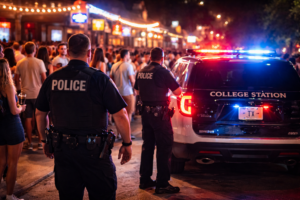
Pre-break patrol patterns refer to an increase in law enforcement presence in the weeks leading up to major school breaks like spring break. College Station, being a college town, sees its population fluctuate during these times. With students heading out of town or gathering for one last social event before they leave, the police force steps up its patrols, especially in areas where students tend to congregate. This pattern isn’t exclusive to College Station, but it’s more noticeable in cities like this, where the college demographic plays a significant role in the local economy.
Officers use these pre-break patterns to strategically monitor high-risk areas: student housing complexes, local bars, and popular hangout spots. Law enforcement anticipates that, during these periods, the potential for public intoxication, underage drinking, and disorderly conduct increases. With more patrols in these areas, there’s a higher chance of arrests for these offenses.






Why Do March Arrests Spike?
Several factors contribute to the rise in arrests in March, specifically surrounding the pre-break patrol strategies. These include increased police presence, student behavior, and the focus on specific types of offenses that are more likely to occur during this time of year. Understanding these dynamics can provide insight into why arrests tend to climb as the month progresses.
- More Officers on the Streets: During March, College Station’s law enforcement increases its patrol efforts as part of a broader safety strategy. Officers are specifically tasked with monitoring areas known for social gatherings, including the streets surrounding bars, public parks, and parking lots near student apartments. This increased presence helps ensure that any illegal activities—like public intoxication—are quickly identified and addressed. The goal is to prevent minor infractions from escalating into more serious issues, like traffic accidents or violence.
- Social and Alcohol Consumption: The days leading up to spring break are often filled with pre-vacation excitement. Students may gather at bars, parties, and other venues to celebrate the upcoming break, which leads to a higher likelihood of alcohol consumption. While drinking itself isn’t illegal, public intoxication and underage drinking can lead to arrests, especially when police are focused on preventing such activities. As a result, many students find themselves facing legal consequences that may have been avoidable with more careful planning.
- Increased Parties and Gatherings: The “pre-break” atmosphere in College Station fosters an environment ripe for parties and social events. Whether on-campus or in off-campus housing, students often gather in large numbers to unwind before they leave. The law is clear when it comes to regulating noise, disorderly conduct, and alcohol consumption, but at this time of year, such behaviors can quickly lead to law enforcement intervention. Arrests for offenses such as minor in possession of alcohol (MIP), disturbing the peace, or public intoxication increase as parties grow larger and wilder.
- Focus on DUI and DWI Offenses: Perhaps the most significant impact of increased patrols during March is the rise in driving under the influence (DUI) or driving while intoxicated (DWI) arrests. College students, excited about heading off for a break, may consume alcohol or drugs before getting behind the wheel. Police officers focus heavily on catching those driving while impaired, especially during these pre-break weeks when individuals may be celebrating or rushing to make travel plans. Officers are out in full force, checking for signs of impairment at common student hangouts and on the roads.
Highly Recommend Craig Greening. Craig is personable and cultivated, you will feel confident next to him! Worth every penny, he is a superlative attorney. Don't rush the process, getting the deal you want takes time! Mike D. I just want to say how amazing your firm is. You guys know exactly what you are doing and have helped me out tremendously. Thank you so much for everything you have done and continue to do. David B. Maddie was polite, professional and very helpful. The group was expedient in responding to requests and I feel I'm in good hands. Thanks guys! Gently E.
The Legal Consequences of March Arrests
Although many of the arrests made during March are for seemingly minor offenses—such as public intoxication or underage drinking—the consequences can be significant. A conviction for these types of offenses can lead to fines, court appearances, and potentially even jail time. But the collateral consequences can be even more severe. For instance, a DUI or DWI conviction can result in the suspension of one’s driver’s license, increased insurance rates, and a criminal record that may affect future employment prospects or academic standing.
For students in College Station, this period can be especially stressful as they navigate the challenges of balancing their legal issues with their academic commitments. Understanding the full range of potential penalties can be the first step in ensuring that one is prepared to handle a criminal case.
Understanding the Police’s Motivation Behind Increased Patrols
It’s important to acknowledge that the increase in police activity during March is not arbitrary. The Greening Law Group knows that law enforcement is acting with the intent to ensure public safety and reduce the number of incidents that could potentially escalate into more severe crimes. By preventing minor infractions, the police are hoping to maintain a peaceful environment during a time when many students are preparing to leave for a week or more.
Additionally, law enforcement wants to discourage dangerous behaviors, such as driving under the influence, which could lead to accidents and fatalities. However, this proactive policing approach can sometimes lead to over-policing, where people are arrested for offenses that might otherwise have been overlooked.
How to Avoid Arrests in March in College Station
While it’s difficult to avoid all forms of interaction with the police during this time of year, there are a few steps College Station residents and students can take to minimize their risk of an arrest:
- Know the Law: Understanding the local laws surrounding alcohol consumption, noise ordinances, and public conduct is crucial. Many students unknowingly break the law simply because they are not aware of the regulations. Take the time to familiarize yourself with the rules of your specific area—whether it’s an apartment complex, a local bar, or the public streets around College Station.
- Use Ride-Share Services: To avoid DUI or DWI charges, always use a designated driver or a ride-share service when planning to drink. With ride-sharing apps like Uber and Lyft easily accessible, there’s no reason to risk getting behind the wheel after drinking.
- Stay Low-Key: During pre-break parties and gatherings, it’s wise to remain aware of your surroundings. If you’re hosting or attending a party, ensure that it stays under control. Noise complaints and public disturbances can easily get the attention of law enforcement, so make sure your event doesn’t get out of hand.
- Stay Sober or Limit Alcohol Consumption: The easiest way to avoid arrest during March is to stay sober or limit your alcohol consumption. By not overindulging, you can prevent yourself from becoming too intoxicated and avoid situations that might lead to public intoxication arrests.
- Call a Lawyer Early if Arrested: If you do find yourself facing charges, it’s important to seek legal representation as soon as possible. Having a lawyer who understands the local legal system can be instrumental in navigating the complexities of your case and ensuring that you get the best possible outcome.
The pre-break patrol patterns in College Station are not just a reaction to student behavior—they are an intentional law enforcement strategy aimed at preventing dangerous activities before spring break. Although these patrols are designed to protect the community, they often lead to a higher number of arrests for minor offenses. If you or someone you know is facing criminal charges during this time, the team at The Greening Law Group is here to provide guidance and ensure that your rights are protected throughout the legal process.
To learn more about this subject click here: The Winter Break Problem: Out-of-State Students Arrested in College Station and What Happens Next
Related Reading
- Spring Break Arrests in Texas: What College Students Should Know When Charged Away From Home
- College Students and Criminal Charges: How One Arrest Can Affect Scholarships and Campus Housing
- Graduation Weekend Arrests in College Station: What Happens After a Celebration Leads to Charges

|
|
|