
When you are facing a DWI charge in College Station, TX, it is crucial to understand how blood and breath tests work and how their reliability can affect your case. The Greening Law Group has extensive experience defending individuals in these situations, and knowing the differences between the two tests can provide a significant advantage in building a defense strategy. Both tests measure blood alcohol concentration (BAC), but the accuracy and potential for error vary. Breath tests are common because they are quick and non-invasive, but they are also more prone to inaccuracies. Blood tests, while more invasive and requiring a certified phlebotomist and laboratory analysis, are generally more precise and are considered the gold standard when properly administered. The choice of test, the circumstances under which it is conducted, and potential errors can all play a significant role in determining the outcome of a DWI case in Texas.
When you hire our team, you’re not just getting experience. You’re getting people who care. We work hard on every case because we know it matters to you. And we’ll treat your case like it’s the only one that matters. That’s how we’ve stood out from the rest.
A Legal Team You Can Count On
How Breath Tests Are Conducted and Their Limitations 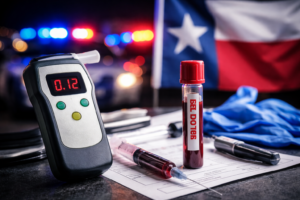
Breath tests in Texas often involve devices such as the Intoxilyzer or other certified breathalyzers. Law enforcement officers may conduct these tests at roadside checkpoints, during traffic stops, or at DPS locations. While convenient, breath tests are highly sensitive to device calibration, maintenance, and operator handling. Environmental factors such as temperature, humidity, or even the presence of certain chemicals can influence readings. Additionally, individual physiological factors—such as medical conditions like acid reflux, diabetes, or even the use of certain mouthwashes—can alter breath alcohol readings. Officers must follow strict protocols, including providing observation periods, ensuring the device is correctly calibrated, and following step-by-step instructions, because even minor deviations can result in inaccurate readings. Texas courts have recognized these limitations, and defense attorneys often scrutinize the entire process when challenging breath test results.
Blood Testing Procedures and Advantages
Blood tests require a certified phlebotomist to collect a sample, which is then sent to a laboratory for analysis. The procedure is more invasive than a breath test but is generally less prone to errors that result from device malfunction or operator mistakes. The primary concerns with blood tests involve the chain of custody, contamination, and laboratory handling procedures. Blood samples must be stored and transported under proper conditions, and the time between collection and testing can impact BAC readings. Laboratories must follow strict protocols to ensure accuracy, and attorneys often examine these records to verify the integrity of the sample and the testing process. When all protocols are followed correctly, blood tests provide a highly reliable measure of BAC, making them more defensible in court.







Factors Contributing to Breath Test Failures
Studies and Texas DWI records suggest that breath tests fail more frequently than blood tests. Errors can arise from device malfunctions, missed calibration schedules, or improper operator training. For example, a breathalyzer that has not been calibrated correctly can overestimate BAC by significant margins, potentially leading to wrongful charges. Mouth alcohol from recent consumption, vomiting, or dental products can also produce false positives. Even environmental factors such as chemical fumes from nearby sources or extreme temperatures can influence results. These errors do not necessarily result in dismissal of charges, but they provide grounds for challenging the reliability of the evidence.
Challenges That Can Arise with Blood Tests
Blood tests are less likely to produce false positives, but procedural errors can still occur. Contamination during collection, mishandling during transport, or laboratory errors can affect BAC results. Legal challenges often focus on these procedural aspects rather than the inherent accuracy of blood testing itself. Defense attorneys carefully examine medical records, lab reports, and the chain of custody documentation to identify inconsistencies or mistakes. In many cases, successfully highlighting procedural flaws can reduce charges or result in evidence being suppressed. The credibility of the phlebotomist and the laboratory also comes under scrutiny, making meticulous record-keeping essential for law enforcement.
Legal Implications and Defense Strategies
A failed or inaccurate test, whether breath or blood, does not automatically nullify a DWI charge in Texas. Defense strategies often involve a comprehensive review of the testing process, including device maintenance records, operator training logs, and laboratory reports. Attorneys may also consider independent testing or expert testimony to question the reliability of the results. Challenging the admissibility of faulty test results can significantly affect the prosecution’s case and may result in reduced penalties or even dismissal if the test forms the basis of the charge. Effective defense requires detailed examination of every procedural step and an understanding of the technology behind both types of tests.
Highly Recommend Craig Greening. Craig is personable and cultivated, you will feel confident next to him! Worth every penny, he is a superlative attorney. Don't rush the process, getting the deal you want takes time! Mike D. I just want to say how amazing your firm is. You guys know exactly what you are doing and have helped me out tremendously. Thank you so much for everything you have done and continue to do. David B. Maddie was polite, professional and very helpful. The group was expedient in responding to requests and I feel I'm in good hands. Thanks guys! Gently E.
Practical Considerations for Individuals Facing DWI Charges
If you are charged with a DWI in College Station, TX, there are practical steps you can take to ensure your rights are protected. Always request all test records, calibration logs, and operator training documents. Consider having an experienced attorney evaluate the circumstances under which the tests were conducted and whether any procedural errors occurred. Independent testing, expert reviews, and thorough legal analysis can uncover weaknesses in the evidence that may be critical for your defense. Decisions regarding which test was administered, when it was administered, and how the test was handled can all have significant legal consequences.
Examples from Texas DWI Cases
There have been numerous instances in Texas where breath tests produced inaccurate results due to calibration issues or procedural mistakes. In one case, a defendant’s breath test indicated a BAC above the legal limit. Examination of the device maintenance logs revealed it had not been calibrated in accordance with DPS requirements, leading the court to exclude the test results. In contrast, blood tests in similar circumstances often withstand challenges unless there are specific procedural errors. These examples highlight why understanding the limitations and reliability of each type of test is critical for developing an effective defense strategy.
The Role of Experienced Legal Counsel
Engaging an attorney familiar with both blood and breath testing procedures is essential for anyone facing a DWI charge in Texas. The Greening Law Group has extensive experience analyzing these tests, identifying potential errors, and building strategies to protect clients’ rights. Attorneys play a vital role in interpreting test results, questioning the reliability of evidence, and ensuring law enforcement followed proper procedures. Their expertise can make the difference between a conviction, reduced penalties, or a dismissal. In addition to reviewing test results, attorneys consider all aspects of the case, including traffic stop procedures, field sobriety tests, and witness statements, to provide comprehensive defense.
Protecting Your Rights and Understanding Your Options
Knowledge of how blood and breath tests function and their potential shortcomings empowers individuals to make informed decisions about their defense. Understanding which test is more prone to failure allows defendants and attorneys to scrutinize evidence critically. In Texas, challenging a faulty test or procedural error is a well-established defense strategy that can significantly influence the outcome of a case. Being proactive, requesting documentation, and consulting with experienced legal counsel are essential steps in protecting your record and minimizing legal consequences.
Resources from The Greening Law Group
For further guidance on understanding blood and breath tests in Texas DWI cases, the following resources provide detailed insights:
- https://www.craiggreeninglaw.com/blog/are-dwi-blood-tests-reliable
- https://www.craiggreeninglaw.com/blog/field-sobriety-tests-in-texas-dwi-cases-understanding-their-accuracy
- https://www.craiggreeninglaw.com/blog/the-link-between-bac-and-dwi-penalties-what-you-need-to-know
Disclaimer
This information is for educational purposes only and is not legal advice. Consult a qualified attorney about your specific situation.
To learn more about this subject click here: What Police Must Prove in a Texas DWI Case and Where They Often Get It Wrong
Related Reading
- Charged With DWI After a Festival or Event in Texas? What Happens Next
- How a Texas DWI Can Affect Your Job, License, and Travel Plans
- Pulled Over During a Holiday Weekend in Texas? Your Rights at a Traffic Stop

|
|
|