

A Legal Team You Can Count On
When you hire our team, you’re not just getting experience. You’re getting people who care. We work hard on every case because we know it matters to you. And we’ll treat your case like it’s the only one that matters. That’s how we’ve stood out from the rest.
About UsWhy Holiday Parties Increase the Likelihood of DWI Stops 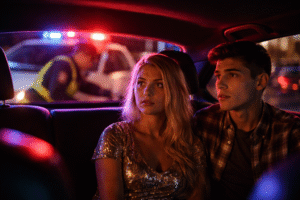
During the holidays, alcohol consumption tends to spike, and with this comes a greater likelihood of impaired driving. Law enforcement is aware of this, and as a result, the number of DWI checks increases, especially in College Station, a town with a large student population and a busy social scene during this time of year. College students, locals, and visitors all contribute to this annual trend, making it even more important for drivers and passengers alike to remain vigilant.
What Is Passenger Liability and Why Does It Matter in DWI Cases?
Passenger liability in DWI cases is a legal concept that could hold passengers responsible for their role in enabling or encouraging impaired driving. While it is clear that the driver is the primary party responsible for operating the vehicle, passengers can face consequences if their actions indirectly contribute to the crime. In College Station, where holiday parties often create scenarios where people drink and drive, understanding passenger liability is vital. Passenger liability cases can occur when the following situations arise:- Encouraging or Urging the Driver to Continue Driving While Intoxicated If a passenger actively encourages the driver to keep driving while under the influence, they can be charged with aiding and abetting the DWI offense. This is common during situations where the passenger may be pressuring the driver to continue the journey to avoid inconvenience or because they are also intoxicated.
- Failing to Intervene When the Driver is Clearly Intoxicated Even if a passenger does not directly encourage the driver to operate the vehicle, failing to intervene when the driver is clearly intoxicated can also be problematic. Law enforcement may interpret a lack of action as complicity, especially if the passenger had the opportunity to stop the driver from getting behind the wheel or find another way home.
- Being an Accomplice to a Crime In some cases, passengers may be seen as accomplices to the crime, particularly if they were aware of the driver’s impairment and didn’t take any steps to prevent the crime. This could include situations where the passenger could have stopped the driver from driving but chose not to, potentially exacerbating the situation.







How the Holidays Increase the Risk of Passenger Liability in DWI Stops
During the holiday season, the volume of alcohol consumed naturally increases, leading to more people making poor decisions, including getting behind the wheel when they shouldn’t. Parties with friends, family, and co-workers are often filled with alcohol, making it easy for drivers and passengers to forget the risks involved with impaired driving. The rise in DWI stops during the holidays increases the chances of law enforcement questioning both drivers and passengers. Passengers are often unaware of the legal risks they face when they choose to ride with an impaired driver. The assumption that only the driver will be held accountable is a dangerous misconception. In College Station, local law enforcement is vigilant during the holidays, and if they suspect that a passenger played a role in the DWI incident, they may take action. As the law increasingly holds both drivers and passengers accountable, it’s essential to understand how to protect yourself from liability during these festive times.Examples of Situations Where Passengers May Be Liable During a DWI Stop
- Passenger Urging the Driver to Continue A passenger at a holiday party might encourage the driver to continue the drive home despite the driver’s intoxicated state. If law enforcement witnesses this behavior, the passenger could face charges for being an accessory to the impaired driving.
- Passengers Being Complicit in the Driver’s Decision If a passenger is aware that the driver is intoxicated and chooses not to intervene, their actions could be interpreted as enabling the driver to operate the vehicle. In some situations, a passenger’s silence or inaction could be seen as encouraging the driver, making them legally liable.
- Lack of Intervention When the Driver is Too Drunk to Drive If the passenger is aware that the driver is too drunk to safely drive but does nothing to prevent them from driving, the passenger could be held responsible under certain circumstances. Law enforcement may view the passenger as complicit in the decision-making process, especially if the passenger had other means to prevent the driver from driving.

Highly Recommend Craig Greening. Craig is personable and cultivated, you will feel confident next to him! Worth every penny, he is a superlative attorney. Don't rush the process, getting the deal you want takes time!
Mike D.
I just want to say how amazing your firm is. You guys know exactly what you area doing and have helped me out tremendously. Thank you so much for everything you have done and continue to do.
David B.
Maddie was polite, professional and very helpful. The group was expedient in responding to requests and I feel I'm in good hands.
Thanks guys!
Gently E.
What Can Passengers Do to Protect Themselves from Liability?
For passengers, there are several actions they can take to avoid being held legally responsible for DWI-related offenses:- Do Not Encourage Unsafe Behavior Always make it clear to the driver that it is unsafe to drive if they are intoxicated. If you notice the driver is under the influence, suggest alternative ways to get home, such as taking a cab or calling a ride-share service.
- Be Proactive in Stopping the Driver If you’re in a situation where the driver is impaired, step in and offer to help them find another way to get home. Don’t allow them to make the decision to drive if you know they shouldn’t be.
- Seek Alternative Transportation If you’re concerned about the driver’s ability to safely operate the vehicle, make arrangements for another ride. If you don’t have a way to get home, call a friend, family member, or ride-sharing service to ensure your safety and avoid any liability in the process.