







Traffic Stops and Legal Requirements 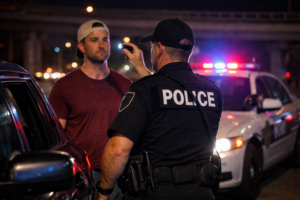
One of the first steps in a DWI investigation is a lawful traffic stop. Officers must have reasonable suspicion that a law has been violated, such as speeding, weaving, or failing to maintain a lane. Stops that are based on vague, generalized claims about driving behavior or on hunches can be contested in court. Evidence obtained following an unlawful stop may be excluded, which can significantly impact the case. In Texas, the validity of the stop is foundational. If an attorney can demonstrate that the officer lacked a legitimate reason to initiate the stop, any subsequent observations, tests, or evidence may be deemed inadmissible. This makes the initial encounter between the driver and law enforcement a critical component of a defense strategy.
Field Sobriety Tests and Their Limitations
Field sobriety tests are among the most well-known methods for assessing impairment during a DWI stop, yet they are not foolproof. Commonly administered tests include the walk-and-turn, the one-leg stand, and the horizontal gaze nystagmus test. Their accuracy depends heavily on proper execution, environmental conditions, and the physical and mental state of the individual being tested. Uneven pavement, poor lighting, fatigue, or preexisting medical conditions can all affect performance. Officers occasionally fail to adhere to standardized procedures, which can undermine the reliability of the results. Because these tests are subjective and rely on officer interpretation, a defense attorney can challenge both the administration of the tests and the conclusions drawn from them. For further guidance, see Field Sobriety Tests in Texas DWI Cases: Understanding Their Accuracy .
A Legal Team You Can Count On
When you hire our team, you’re not just getting experience. You’re getting people who care. We work hard on every case because we know it matters to you. And we’ll treat your case like it’s the only one that matters. That’s how we’ve stood out from the rest.
About UsBlood and Breath Testing Errors
BAC testing is intended to provide objective proof of intoxication, but errors in administration, calibration, or sample handling are more common than many defendants realize. Breathalyzers must be properly calibrated, and blood samples must be collected and stored under strict chain-of-custody protocols. Any deviation from required procedures can compromise the reliability of results. Defense counsel can examine calibration logs, sample handling procedures, and DPS guidelines to identify mistakes or omissions that may lead to the exclusion of BAC evidence. Even small procedural errors can affect the credibility of a DWI case and may provide an opportunity for negotiation or dismissal. Additional discussion on the reliability of blood tests can be found at Are DWI Blood Tests Reliable? .Observations of Impairment
Officers document signs of intoxication such as slurred speech, unsteady gait, bloodshot eyes, or the odor of alcohol. These observations are inherently subjective and can be influenced by many factors unrelated to intoxication, including fatigue, illness, anxiety, or distractions at the scene. Misinterpretation of these signs may occur, and a defense attorney will review officer notes and testimony to determine whether the observed behavior truly supports a claim of impairment. Consistency and adherence to training standards are essential for these observations to carry weight in court.Documentation and Reporting Mistakes
Accurate and thorough documentation is critical in DWI investigations. Officers occasionally make errors in recording times, locations, or test procedures. Inconsistencies in reports or incomplete details can be leveraged to question the validity of the investigation. Courts may also examine whether the officer followed departmental protocols, which can affect the admissibility of evidence. Discrepancies in reports often become central points of contention, and attorneys routinely scrutinize these documents to find errors that weaken the prosecution’s case.
Highly Recommend Craig Greening. Craig is personable and cultivated, you will feel confident next to him! Worth every penny, he is a superlative attorney. Don't rush the process, getting the deal you want takes time!
Mike D.
I just want to say how amazing your firm is. You guys know exactly what you area doing and have helped me out tremendously. Thank you so much for everything you have done and continue to do.
David B.
Maddie was polite, professional and very helpful. The group was expedient in responding to requests and I feel I'm in good hands.
Thanks guys!
Gently E.
Defenses That Address Police Errors
A skilled DWI defense attorney in College Station can identify numerous potential challenges in a case, including:- Questioning the validity of the traffic stop and whether reasonable suspicion existed
- Highlighting procedural errors in field sobriety test administration
- Contesting BAC test procedures, calibration, and sample handling
- Demonstrating violations of constitutional rights, including the Fourth Amendment
- Exposing inconsistencies or omissions in officer documentation