
When a professional is arrested, licensing boards are often quick to respond, sometimes even before a conviction occurs. The speed of these actions can seem harsh to some, but it’s a reflection of the critical role these boards play in ensuring public safety, maintaining ethical standards, and safeguarding the integrity of various industries. Understanding the reasons behind this quick response is crucial for anyone facing professional licensing issues. At The Greening Law Group, we specialize in assisting professionals navigate the delicate balance between personal legal matters and professional obligations.






The Role of Licensing Boards 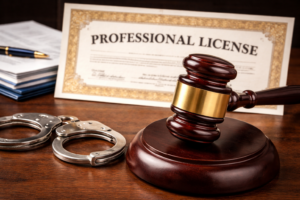
Licensing boards are responsible for regulating individuals in many professions—such as healthcare, law, finance, and others—ensuring they meet the required standards to practice safely and ethically. These boards are charged with overseeing the conduct of professionals, and they take their duties very seriously. The public depends on professionals to perform their duties with integrity and responsibility, and when an arrest occurs, even before a conviction, it raises immediate concerns.
The key responsibility of these boards is to protect the public. Their decisions are not only based on the law but also on maintaining the reputation and trust of their respective industries. The Greening Law Group understands the delicate situation professionals face when their careers are at risk due to legal troubles. Here’s why licensing boards act swiftly after an arrest.
Public Safety Comes First
Public safety is a primary concern for licensing boards. Professionals often deal directly with vulnerable populations, and when an arrest happens, even if unrelated to their profession, it can indicate a potential risk to others. For instance, healthcare professionals or lawyers may be arrested for personal matters, but these actions could raise doubts about their judgment, reliability, or ability to perform their duties in a safe manner.
For example, a physician arrested for driving under the influence (DUI) may pose a concern regarding their fitness to practice medicine safely. In such cases, the board must take immediate action to ensure that public safety isn’t compromised. The same principle applies to professionals in law enforcement, education, or other fields where public trust is paramount.
When you hire our team, you’re not just getting experience. You’re getting people who care. We work hard on every case because we know it matters to you. And we’ll treat your case like it’s the only one that matters. That’s how we’ve stood out from the rest.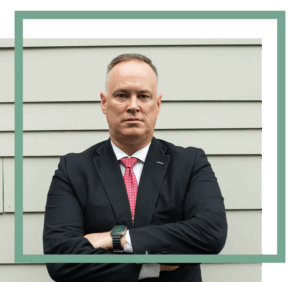
A Legal Team You Can Count On
Maintaining Professional Integrity
The swift actions taken by licensing boards are also motivated by a need to preserve the integrity of the profession. If a professional is arrested, especially for serious charges, it can cast doubt on the professionalism of the entire field. Even if the charges are unrelated to their professional responsibilities, an arrest can still damage the public’s perception of that profession.
For example, an attorney arrested for a criminal offense could undermine public trust in the legal system. Licensing boards may need to act quickly to either suspend or restrict the individual’s license until a thorough investigation can take place. This proactive approach is in line with their duty to maintain the profession’s ethical standards and protect its reputation.
Prompt Action Helps Uphold Trust in the Profession
A licensing board’s prompt response serves to uphold the trust the public places in the profession. When a professional is arrested, the public expects the relevant regulatory board to take action to ensure that the individual’s behavior aligns with industry standards. If a board were to wait for a conviction before acting, it could be seen as negligent in protecting the public and could erode trust in that profession.
For example, in the medical field, where professionals are trusted with the well-being of patients, the public expects regulatory bodies to be vigilant and act swiftly if there is any potential risk. A delay in action could result in more significant harm, especially if the individual continues to practice during an investigation. The swift removal or restriction of a professional’s license serves as a clear message to the public that these boards take safety and integrity seriously.
Highly Recommend Craig Greening. Craig is personable and cultivated, you will feel confident next to him! Worth every penny, he is a superlative attorney. Don't rush the process, getting the deal you want takes time! Mike D. I just want to say how amazing your firm is. You guys know exactly what you are doing and have helped me out tremendously. Thank you so much for everything you have done and continue to do. David B. Maddie was polite, professional and very helpful. The group was expedient in responding to requests and I feel I'm in good hands. Thanks guys! Gently E.
The Investigation Process: What Happens After an Arrest?
While many may assume that a licensing board’s actions are solely based on the outcome of a criminal trial, the truth is that these boards conduct their own investigations to determine if a professional’s behavior meets industry standards. This independent investigation allows the board to make decisions that are in the best interest of the public, regardless of the criminal court’s verdict.
- Review of Charges and Circumstances: The board typically begins by reviewing the charges the individual faces. They consider not only the nature of the arrest but also the context. For example, an arrest for a non-violent offense may be treated differently than one involving violence or abuse, particularly in professions that require direct interaction with vulnerable individuals.
- Interviews and Gathering of Information: The board may conduct interviews with the individual, review their professional history, and gather information from law enforcement. This allows the board to assess whether the individual poses a risk to their clients, patients, or the public at large.
- Decision-Making: Based on the findings, the board may decide to suspend or place restrictions on the individual’s license, even before a conviction is reached. This is an interim measure meant to prevent potential harm while the case is being fully investigated.
Interim Actions: What Can the Board Do?
While a criminal conviction may take months or even years to resolve, licensing boards have the authority to take interim action during the investigation. This is done to ensure that public safety and the integrity of the profession are not jeopardized while the legal process plays out.
- Temporary Suspension: A board may suspend an individual’s license while the investigation is ongoing. This temporary measure prevents the individual from practicing their profession until the investigation is complete.
- Probationary Measures: In some cases, the board may allow the individual to continue practicing under specific conditions. This could include random drug tests, monitoring, or other forms of oversight to ensure that they are not a risk to the public.
- Restriction of Duties: Another option is restricting the individual’s professional duties. For example, a doctor may be allowed to continue practicing but only under supervision or in a limited capacity.
These interim measures are designed to mitigate any potential risk until the board has enough information to make a final decision.
The Importance of Legal Counsel
When facing an arrest, professionals should not only be concerned about the criminal case at hand but also the impact it could have on their professional license. As these boards often act quickly, it’s essential for those in regulated professions to seek legal counsel immediately. The Greening Law Group is experienced in guiding professionals through the complexities of criminal charges and licensing issues, helping them understand their rights and options during an investigation.
An attorney specializing in professional licensing issues can help individuals navigate the board’s investigation process, advocate for their rights, and potentially minimize the impact on their career. Legal counsel can also provide invaluable support if the board decides to impose interim measures, ensuring that the professional is treated fairly and that their career is not unnecessarily jeopardized.
Navigating the Legal Process After an Arrest
Licensing boards react quickly after an arrest for a variety of important reasons: to protect the public, maintain professional integrity, and uphold the trust placed in the profession. While this may seem harsh to some, it is an essential part of ensuring that licensed professionals meet the standards required for their positions. If you or someone you know is facing legal trouble that could impact their professional license, it’s crucial to seek legal counsel. At The Greening Law Group, we are here to assist professionals in navigating these difficult situations and protecting their career and livelihood.
If you’re a professional facing an arrest and concerns about your license, reach out to The Greening Law Group for experienced legal guidance. We can help you understand the steps you need to take and how to best protect your professional future.
To learn more about this subject click here: Can a DWI Conviction Affect My Professional License in Texas?

|
|
|